Summer Hydration Guide: How Much Water You Really Need in the Heat

Ontario summers are something special — long evenings on the porch, weekends at the lake, kids running through the sprinkler until dark. But when the temperature climbs past 30°C and the humidity rolls in, your body starts losing water faster than you might think. What feels like a mild thirst on a July afternoon can quickly turn into fatigue, headaches, and worse if you are not drinking enough.
The truth is, most of us underestimate how much water we need during the summer months. Whether you are working outdoors in Haldimand County, coaching your kid's soccer practice in the Niagara Region, or opening the cottage for the season in Norfolk County, staying properly hydrated is one of the simplest things you can do to protect your health and feel your best all summer long.
How Much Water Do You Actually Need?
You have probably heard the old advice to drink eight glasses of water a day. That is a decent starting point, but the real answer depends on your age, activity level, and how much time you spend in the heat.
Health guidelines from the Institute of Medicine and Health Canada recommend the following daily fluid intake from beverages — not counting the water you get from food:
| Who | Daily Water from Beverages |
|---|---|
| Children (4–8 years) | 5 cups (1.2 litres) |
| Children (9–13 years) | 7–8 cups (1.6–1.9 litres) |
| Teens (14–18 years) | 8–11 cups (1.9–2.6 litres) |
| Adult women | 9 cups (2.2 litres) |
| Adult men | 13 cups (3 litres) |
| Pregnant women | 10 cups (2.4 litres) |
| Breastfeeding women | 13 cups (3 litres) |
These are baseline recommendations for moderate climates and average activity. During hot Ontario summers — especially when you are active outdoors — your body can need significantly more.
Why Summer Heat Changes Everything
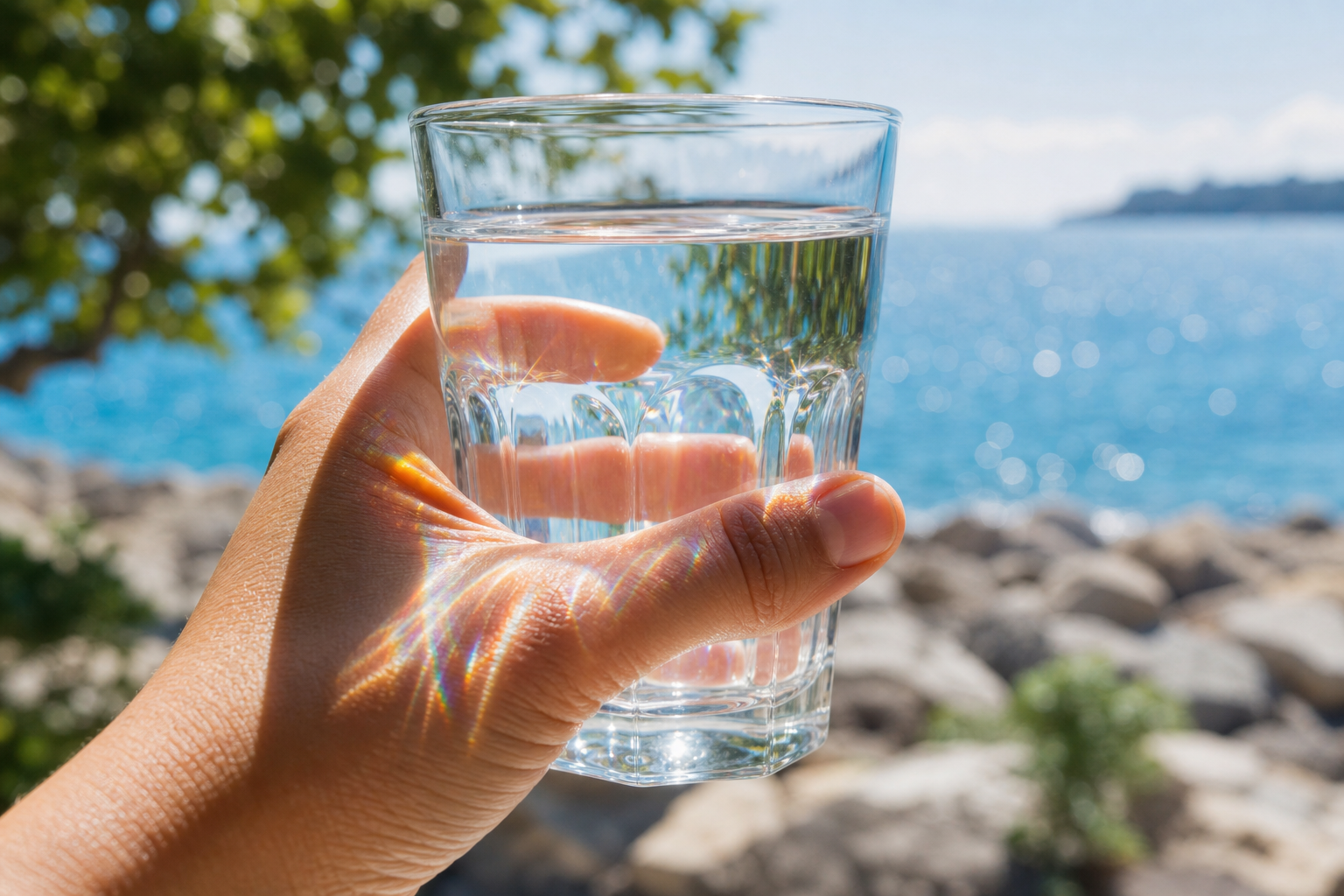
Your body cools itself by sweating. The hotter it gets, the more you sweat — and the more water you lose. On a typical summer day in Southern Ontario, you can lose an extra litre or more of water per hour through sweat alone, depending on what you are doing.
Here is what makes summer hydration different from the rest of the year:
- Higher sweat rates. Even sitting outside on a humid 32°C day, you lose water faster than you would indoors. Add physical activity and your sweat rate can climb to 1–2 litres per hour.
- Humidity makes it worse. Ontario summers are notoriously humid. When the air is already saturated with moisture, your sweat does not evaporate as efficiently, so your body produces even more of it to compensate.
- You may not feel thirsty right away. By the time you actually feel thirsty, you are already mildly dehydrated. Thirst is a lagging indicator — especially in older adults, who often lose sensitivity to thirst signals.
- Sun exposure adds up. Direct sunlight raises your skin and core temperature, increasing your cooling demands even if you are not exercising.
Many people, mainly older adults, don't feel thirsty until they're already dehydrated. That's why it's important to increase water intake during hot weather or while ill.
Mayo Clinic — Dehydration Symptoms and Causes
Who Needs to Pay Extra Attention?
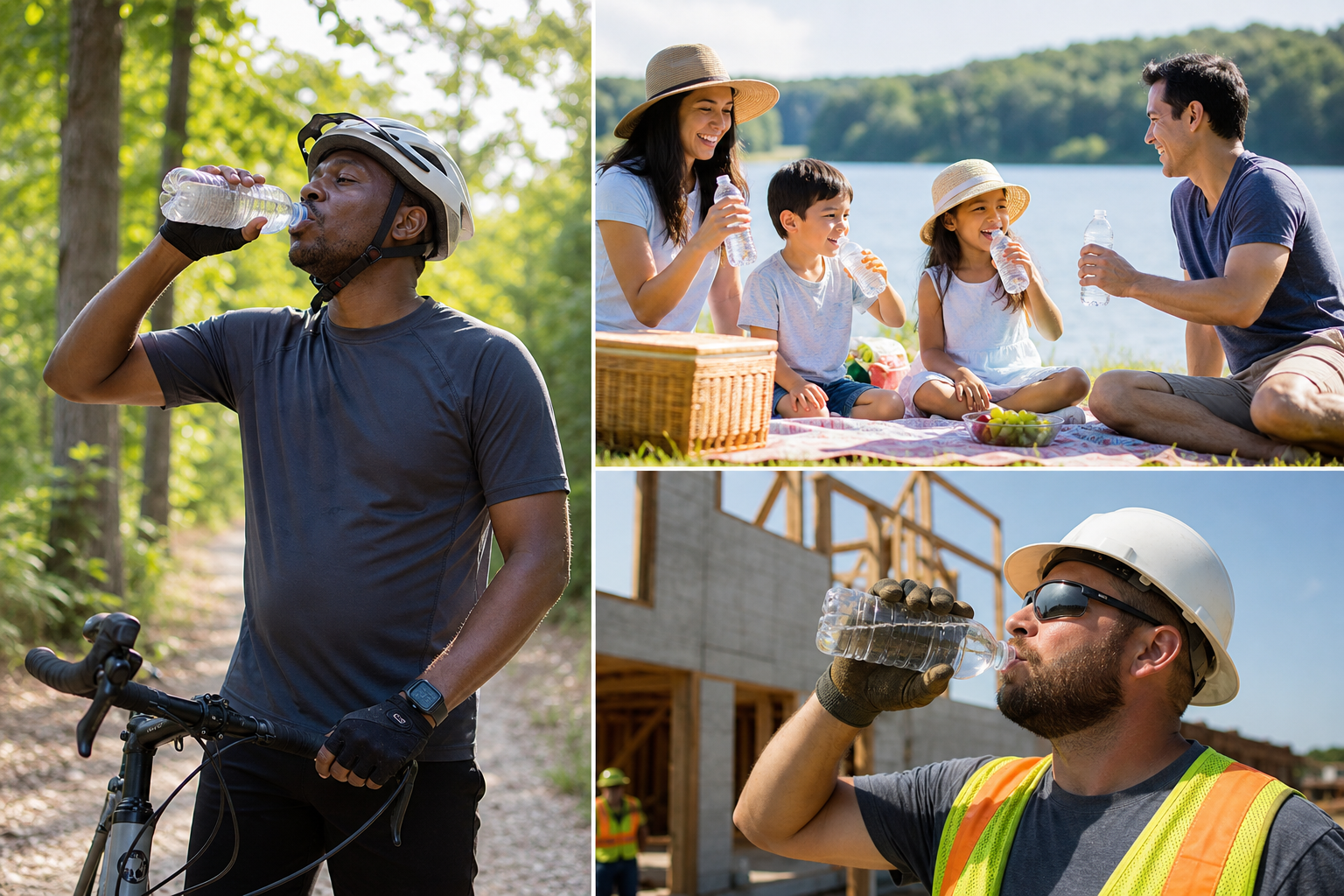
Everyone needs more water in the summer, but some people face higher risks than others:
Outdoor Workers
If you work outside — construction, landscaping, farming, road crews — you are at the highest risk for heat-related illness. The Ontario Occupational Health Clinics for Ontario Workers recommends drinking at least one cup of water every 15 to 20 minutes when working in the heat, which works out to about a litre per hour. Do not wait until you are thirsty. Start and end every workday by drinking water, and take regular shade breaks.
Children and Teens
Kids are more vulnerable to dehydration because they have a higher surface-area-to-body-weight ratio, which means they heat up faster. They also tend to get caught up in play and forget to drink. If your kids are in summer sports, day camp, or just playing outside, encourage regular water breaks — every 20 minutes is a good rule of thumb.
Older Adults
As we age, our bodies hold less water and our sense of thirst becomes less reliable. Seniors should drink water throughout the day on a schedule rather than waiting to feel thirsty. If you are caring for an elderly parent or grandparent, gently remind them to keep sipping.
Athletes and Active People
Whether you are cycling the trails around Dunnville, running along the Welland Canal, or playing recreational sports, exercise in the heat can push your sweat rate to 2 litres per hour or more. Drink water before, during, and after your activity. For intense exercise lasting more than an hour, consider adding a pinch of salt to your water or alternating with a sports drink to replace lost electrolytes.
Pregnant and Breastfeeding Women
Pregnancy and breastfeeding increase your body's water needs substantially. Pregnant women should aim for at least 10 cups of fluids per day, and breastfeeding mothers need about 13 cups — more in hot weather. Staying hydrated supports healthy circulation, amniotic fluid levels, and milk production.
Signs of Dehydration to Watch For
Catching dehydration early is important. Mild dehydration is easy to fix — you just need to drink more water. But if it progresses, it can become a medical emergency. Here is what to watch for:
Early Warning Signs (Mild to Moderate)
- Thirst (though this is already a late signal)
- Dry mouth and lips
- Dark yellow urine
- Headache
- Fatigue and low energy
- Dizziness or lightheadedness
- Less frequent urination
Serious Warning Signs (Seek Medical Attention)
- Very dark urine or no urination for several hours
- Rapid heartbeat
- Confusion or irritability
- Fainting
- Skin that does not bounce back when pinched
- Sunken eyes
In Children, Watch For
- No wet diapers for three hours (infants)
- No tears when crying
- Unusual sleepiness or fussiness
- Dry mouth and tongue
- Sunken soft spot on top of the head (infants)
A simple check: Look at the colour of your urine. Pale yellow or clear means you are well hydrated. Dark yellow or amber means you need to drink more. If you are not sure, drink a glass of water — it certainly will not hurt.
10 Practical Tips to Stay Hydrated All Summer
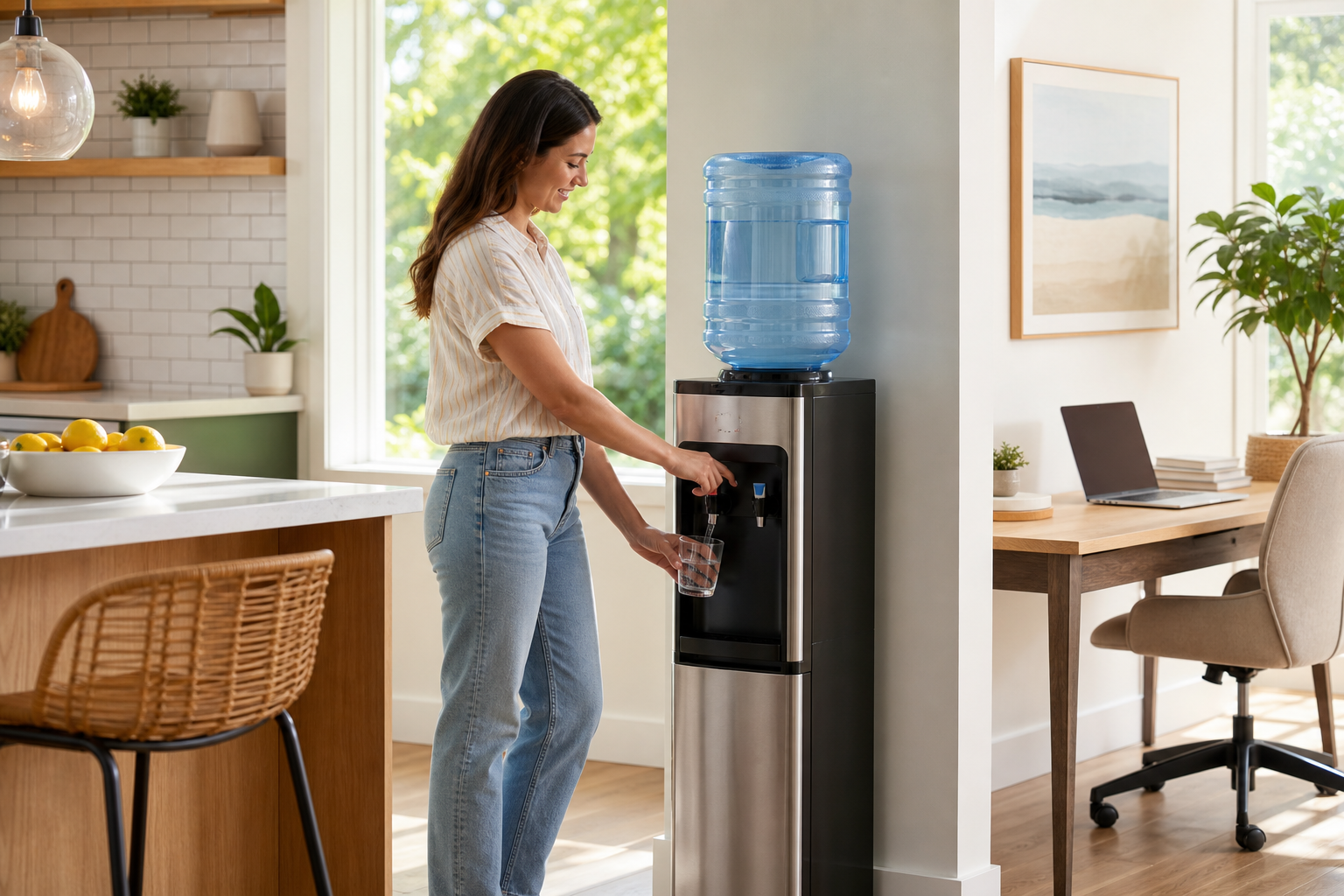
Knowing you need to drink more water is one thing. Actually doing it consistently is another. Here are practical strategies that work:
- Start your day with a full glass. Before coffee, before breakfast — drink a glass of water first thing in the morning. Your body loses water overnight, so you are waking up mildly dehydrated every single day.
- Keep water visible and accessible. You are far more likely to drink water if it is sitting right in front of you. A water cooler in your kitchen or home office makes it effortless to grab a cold glass any time.
- Set reminders. If you tend to forget, set a phone alarm or use a habit-tracking app to prompt you every hour. It sounds simple, but it works.
- Drink before you are thirsty. Make it a habit to sip water throughout the day rather than waiting until thirst kicks in. By the time you feel it, you are already behind.
- Bring water everywhere. Fill a reusable bottle before you leave the house — for the car, the job site, the beach, the backyard. Having water within arm's reach removes the friction.
- Eat water-rich foods. Watermelon, cucumber, strawberries, oranges, and lettuce are all over 90% water. They count toward your daily intake and taste great on a hot day.
- Watch your alcohol and caffeine. Both can contribute to dehydration. If you are enjoying a cold beer on the patio or an iced coffee, match each one with a glass of water.
- Cool your water down. You are more likely to drink water when it is cold. A cooler with both hot and cold taps means you always have chilled water ready — no ice cube trays, no waiting.
- Track your intake. Keep a rough mental tally or use a marked water bottle. Aiming for a specific number of refills per day gives you a tangible goal.
- Make it a family habit. If you have kids, model good hydration. Make water breaks part of outdoor playtime. Keep a jug of cold water on the counter where everyone can help themselves.
Cottage Season: Water You Can Trust
For many Ontario families, summer means heading to the cottage — and cottage country brings its own water challenges. If your seasonal property relies on a well or lake water, the quality can be unpredictable. Unlike municipal systems that are continuously monitored and treated, private water sources are unregulated under Ontario's Safe Drinking Water Act. The responsibility for testing falls entirely on the property owner.
Ontario Public Health Units recommend testing private water sources for E. coli and coliform bacteria at least three times per year: once when you open the property in spring, once mid-season, and again before closing for winter. Spring thaw and heavy rainfall can carry bacteria, fertilizers, and other contaminants into wells and surface water.
Many cottage owners solve this by bringing their own drinking water. Having a few 18L jugs of Reverse Osmosis or Natural Spring Water delivered before you head up for the weekend means you always have clean, great-tasting drinking water on hand — no boiling, no testing kits, no worries. It is one less thing to think about so you can enjoy your time at the lake.
Choosing the Right Water for Your Summer
Not all water is the same, and different activities and preferences call for different types. Here is a quick guide to the four types of water Kool Springs delivers:
- Reverse Osmosis — Our most popular choice. Multi-stage filtration produces a clean, crisp, neutral-tasting water that is perfect for everyday drinking, cooking, and making cold brew or iced tea.
- Natural Spring Water — Sourced from protected Ontario springs and naturally rich in minerals. If you prefer a smooth, subtly sweet flavour, this is a great option for family hydration.
- Distilled Water — 100% mineral-free. Ideal for CPAP machines, humidifiers, and medical equipment you might bring to the cottage.
- Alkaline Water — Higher pH (8–9) with a smooth, mineral-rich taste. A favourite among athletes and anyone who wants wellness-focused hydration during active summer months.
All of our water comes in reusable, BPA-free 18L and 11L bottles that are professionally sanitized and refilled — a zero-waste system that keeps plastic out of landfills. You can compare all four types in detail on our Types of Water page.
Stay Cool, Stay Hydrated
Summer in Haldimand County, the Niagara Region, and Norfolk County is meant to be enjoyed — backyard barbecues, days at the beach, long bike rides, and time with family. Drinking enough water is one of the easiest ways to make sure you can do all of it safely and comfortably.
Keep water visible, drink before you are thirsty, and pay extra attention on the hottest, most humid days. Your body will thank you.
Ready to make summer hydration effortless? Call 1-844-BUY-KOOL, request a free quote, or email info@koolsprings.ca. We deliver across Haldimand County, the Niagara Region, and Norfolk County — right to your door, on your schedule.